Antioxidants are essential molecules that protect our bodies from damage caused by free radicals. These compounds play a fundamental role in maintaining health and preventing disease. In this article, we explore in depth what antioxidants are, their history and discovery, their health benefits, how you can obtain them through diet and supplementation, and interesting facts to help you understand their relevance in everyday life.
What are antioxidants, and why are they important?
Antioxidants are substances that protect cells from damage caused by free radicals, unstable molecules produced by normal metabolic processes and external factors such as pollution, tobacco smoke and sunlight. Free radicals can cause oxidative stress, an imbalance that damages cells and contributes to aging and the development of various diseases.
Definition and types of antioxidants
There are different types of antioxidants, notably:
- Vitamins: Vitamin C, vitamin E and beta-carotene (a precursor of vitamin A).
- Minerals: Selenium, zinc and manganese.
- Polyphenols: Resveratrol, flavonoids and ellagic acid.
- Antioxidant enzymes: Glutathione peroxidase, superoxide dismutase and catalase.
The history and discovery of antioxidants
The concept of antioxidants emerged in the early 20th century, initially in the context of preventing oxidation in industrial products. However, scientists did not begin exploring their biological role until the 1940s. In 1956, Dr. Denham Harman proposed the free radical theory of aging, suggesting that antioxidants could slow the aging process and prevent related diseases.
Key health benefits of antioxidants
Antioxidants offer multiple benefits that positively affect our health:
1. Protection against oxidative stress
By neutralizing free radicals, antioxidants prevent cellular and molecular damage, protecting vital tissues and organs.
2. Prevention of chronic diseases
Adequate antioxidant intake has been associated with a reduced risk of diseases such as:
- Cardiovascular disease: They improve arterial health and reduce LDL cholesterol oxidation.
- Cancer: They may inhibit cancer cell growth and protect DNA.
- Type 2 diabetes: They help improve insulin sensitivity.
3. Strengthening the immune system
Antioxidants support the body’s natural defenses, helping fight infections and disease.
4. Skin health
They protect the skin from sun damage and premature aging, promoting a younger, healthier appearance.
5. Eye health
Antioxidants such as lutein and zeaxanthin are essential for preventing eye diseases such as macular degeneration and cataracts.
Natural sources of antioxidants
Incorporating antioxidant-rich foods into your diet is an effective strategy for improving your health.
Antioxidant-rich fruits
- Berries: Blueberries, strawberries, raspberries and blackberries are high in anthocyanins.
- Citrus fruits: Oranges, lemons and grapefruit provide vitamin C.
- Grapes: Especially red and black varieties, which contain resveratrol.
Vegetables
- Leafy greens: Spinach, kale and Swiss chard are rich in lutein.
- Cruciferous vegetables: Broccoli, cauliflower and Brussels sprouts contain sulforaphane.
- Carrots and pumpkin: High in beta-carotene.
Nuts and seeds
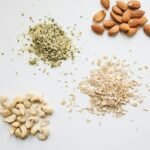
- Walnuts and almonds: Rich in vitamin E and healthy fatty acids.
- Chia and flax seeds: Provide omega-3 fatty acids and polyphenols.
Healthy drinks
- Green tea: Contains catechins, powerful antioxidants.
- Coffee: A significant source of antioxidants in the Western diet.
- Red wine: In moderation, it provides heart-beneficial resveratrol.
Spices and herbs
- Turmeric: Its active compound, curcumin, has antioxidant and anti-inflammatory properties.
- Cinnamon: Rich in polyphenols that help regulate blood sugar.
- Oregano and basil: Provide beneficial flavonoids.
Antioxidant supplementation
Although a balanced diet is the best source of antioxidants, in some cases supplementation may be advisable:
When should you consider antioxidant supplements?
- Nutritional deficiencies: People with restrictive diets or poor absorption.
- Specific health conditions: Diseases that increase oxidative stress.
- High-performance athletes: Intense exercise increases free radical production.
Recommendations for supplementation
- Consult a healthcare professional: Before starting any supplement, seeking medical advice is essential.
- Choose quality products: Opt for certified brands and check appropriate doses.
- Follow recommended doses: Avoid excess, as high concentrations can be counterproductive.
- Consider nutrient synergy: Some antioxidants work better together; for example, vitamin C regenerates oxidized vitamin E.
Interesting facts and curiosities
- Dark chocolate: With at least 70% cacao, it is rich in flavonoids that improve circulation and brain health.
- Cooking and antioxidants: Cooking certain foods increases antioxidant bioavailability; for example, lycopene in tomatoes is better absorbed after cooking.
- Antioxidants and aging: Studies in animal models show that an antioxidant-rich diet may extend life expectancy.
- Extra virgin olive oil: Contains polyphenols that protect the heart and reduce inflammation.
How to maximize antioxidant intake
- Dietary variety: Eat a wide range of fruits and vegetables of different colors.
- Favor fresh foods: Antioxidants can degrade over time and during processing.
- Avoid tobacco and excess alcohol: Both increase free radical production.
- Proper storage: Store foods in optimal conditions to preserve their nutrients.
Myths and facts about antioxidants
Myth 1: More antioxidants are always better
Fact: Excess amounts can interfere with normal cellular processes and, in some cases, be harmful.
Myth 2: Supplements are better than food
Fact: Foods provide a synergistic combination of nutrients that supplements cannot replicate.
Myth 3: Only older people need antioxidants
Fact: All ages benefit from adequate intake to maintain cellular health.
Conclusion
Antioxidants are indispensable allies in protecting our bodies from oxidative stress and promoting a healthy life. By understanding what they are, how they work and where to find them, you can make informed decisions to improve your well-being. Whether through a diet rich in antioxidant foods or by considering supplementation under professional supervision, incorporating these compounds into your daily routine is an investment in your present and future health.
Start enriching your diet with antioxidants today and discover the benefits they offer your health and vitality!