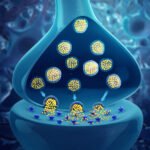
Catecholamines play an essential role in regulating our bodies: they give us the energy to get up each morning, respond to everyday demands, and, at the same time, can become a threat if produced in excess during prolonged stress. This article, in a friendly, engaging tone but with the rigor of the latest scientific evidence, aims to give you a complete picture of what catecholamines are, how they originate, why they matter so much, and, above all, what happens when their buildup becomes chronic because of a stress-filled life.
1. Introduction
Catecholamines (mainly adrenaline, noradrenaline, and dopamine) are chemicals that function both as neurotransmitters in the nervous system and as hormones released into the bloodstream. Their presence in the body influences a huge variety of processes: from how quickly your heart beats when you are frightened to the motivation you feel at the start of the day. But when we are exposed to a continuous state of alert, the constant release of these hormones can cause imbalances that affect physical and mental health.
References:
- Kvetnansky R, Sabban EL, Palkovits M. “Catecholaminergic systems in stress: structural and molecular genetic approaches.” Physiological Reviews. 2009;89(2):535-606.
- McEwen BS. “Protective and damaging effects of stress mediators.” New England Journal of Medicine. 1998;338(3):171-179.
2. The origins of catecholamines: where and how are they produced?
Catecholamines are synthesized mainly in the adrenal medulla (inside the adrenal glands) and in certain neurons in the nervous system. To make them, the body starts with the amino acid tyrosine, which we obtain through food (meat, dairy products, nuts, soy, among others). Next, tyrosine is converted into L-DOPA, then into dopamine , and finally into noradrenaline and adrenaline.
This process is finely regulated by various enzymes and genetic factors. Catecholamine release also depends on signals the brain sends when it perceives threatening situations or a need:
- The amygdala (responsible for processing fear or emotionally intense situations) can trigger the stress response.
- The hypothalamus coordinates the release of hormones that, in turn, stimulate the adrenal medulla to secrete adrenaline and noradrenaline into the bloodstream.
References:
- Cooper JR, Bloom FE, Roth RH. The Biochemical Basis of Neuropharmacology. 8th ed. Oxford University Press; 2003.
- Goldstein DS. Adrenaline and the Inner World: An Introduction to Scientific Integrative Medicine. Johns Hopkins University Press; 2006.
3. Main functions of catecholamines
Catecholamines act as an on/off “switch” in numerous physiological and behavioral functions:
- The stress or “fight-or-flight” response: When a stressful event occurs (from an exam to real physical danger), catecholamines activate the alert response: the heart beats faster, blood pressure rises, airways widen, and energy sources (glucose and fatty acids) are released into the blood.
- Cardiovascular regulation: Adrenaline and noradrenaline adjust the strength and rate of the heartbeat, as well as blood vessel contraction, to regulate blood pressure.
- Mood and motivation: Although dopamine is usually better known in this respect, both noradrenaline and adrenaline also contribute to feelings of energy and readiness to act.
- Maintaining internal balance: After an intense adrenaline rush, the body seeks to restore calm. This rebalancing is essential to avoid wearing out bodily systems.
References:
- Ulrich-Lai YM, Herman JP. “Neural regulation of endocrine and autonomic stress responses.” Nature Reviews Neuroscience. 2009;10(6):397-409.
- Berridge KC, Robinson TE. “What is the role of dopamine in reward: hedonic impact, reward learning, or incentive salience?” Brain Research Reviews. 1998;28(3):309-369.
4. Chronic stress: when the “switch” stays on
The problem arises when this alert response (natural and protective in the short term) is activated too frequently or stays on almost permanently. In a fast-paced society with endless working days, financial worries, and excessive digital stimulation, the body can easily become accustomed to high catecholamine levels day after day.
Over time, this overexposure can lead to:
- Adrenal exhaustion: The adrenal glands become worn out after producing large amounts of catecholamines and other stress hormones (such as cortisol).
- Increased blood pressure: If noradrenaline and adrenaline remain continuously elevated, vascular resistance increases and the heart rate accelerates.
- Mood disturbances: Anxiety, irritability, difficulty sleeping, and a feeling of chronic fatigue.
References:
- Chrousos GP. “Stress and disorders of the stress system.” Nature Reviews Endocrinology. 2009;5(7):374-381.
- Li S, Wang C, Wang W, Dong H, Hou P, Tang Y. “Chronic stress and hypothalamic-pituitary-adrenal responses in aging.” Neuroscience & Biobehavioral Reviews. 2019;103:123-132.
5. Potential diseases linked to catecholamine buildup
The relationship between chronic stress, increased catecholamine production, and the development of various diseases is becoming increasingly evident in the scientific literature:
- High blood pressure: Excessive, prolonged release of adrenaline and noradrenaline can stiffen blood vessel walls and sustain high blood pressure, opening the door to heart disease.
- Cardiovascular disorders: A heart that works in “emergency mode” all the time is more prone to arrhythmia, blood clot formation, and conditions such as stress-induced cardiomyopathy (also known as “broken heart syndrome”).
- Metabolic disturbances: Catecholamines increase glycemia (blood sugar levels), promoting insulin resistance and potentially contributing to the development of type 2 diabetes.
- Gastrointestinal diseases: Chronic stress may alter gastrointestinal motility and secretion, worsening symptoms of conditions such as irritable bowel syndrome and gastritis.
- Reduced immunity: A constant state of alert weakens the body’s defenses, making autoimmune diseases and infections more likely to develop or worsen.
References:
- McEwen BS, Gianaros PJ. “Stress- and allostasis-induced brain plasticity.” Annual Review of Medicine. 2011;62:431-445.
- Brotman DJ, Golden SH, Wittstein IS. “The cardiovascular toll of stress.” Lancet. 2007;370(9592):1089-1100.
- Black PH. “The inflammatory consequences of psychologic stress: relationship to insulin resistance, obesity, atherosclerosis and diabetes mellitus, type II.” Medical Hypotheses. 2006;67(4):879-891.
6. Can catecholamine levels be controlled?
Although eliminating all stress from our routine is impossible, we can incorporate certain strategies to help regulate catecholamine production and thereby protect our health:
- Moderate exercise: Aerobic and strength exercise in appropriate amounts promotes controlled catecholamine release and helps improve insulin sensitivity.
- Relaxation techniques: Practices such as meditation, yoga, mindful breathing, or even massage have a positive effect on sympathetic nervous system activity.
- Sleep hygiene: Getting enough sleep allows the body to better self-regulate its stress response.
- A balanced diet: A diet rich in fruit, vegetables, lean protein , and healthy fats provides the nutrients needed to maintain a stress-resilient nervous system.
- Professional support: In cases of anxiety or severe chronic stress, seeking psychological or psychiatric therapy can make a difference in restoring balance.
References:
- Black CN, Bot M, Scheffer PG, Penninx BW. “Is depression associated with increased oxidative stress? A systematic review.” Psychoneuroendocrinology. 2015;51:164-175.
- Weintraub A, Singhal S, Bekiranov S. “Epigenetics and depression.” Current Psychiatry Reports. 2021;23(2):1-9.
7. Conclusion
Catecholamines are a fundamental part of our bodies’ machinery, needed to meet challenges and respond to dangerous situations. However, modern life exposes us to an environment full of stimuli, urgency, and pressure that can prolong the stress response to unhealthy limits. This chronic exposure to catecholamines can not only worsen our emotional state but also trigger or aggravate a wide range of diseases, from cardiovascular to metabolic problems.
Understanding how they are produced, what functions they perform, and how a sustained excess affects our health is the first step toward adopting lifestyle habits that promote a more stable balance. In the right measure, stress can drive us to achieve our goals; but when it becomes constant, taking steps to protect our bodies and keep them away from unnecessary risks is essential.