Proteins are essential molecules for life, involved in virtually every biological process in the body. From tissue repair to regulating vital functions, understanding their role is fundamental to caring for our health and improving our quality of life. Join us on this journey through their fascinating history, their impact on health and how to ensure they are not missing from our diet.
The origin and discovery of proteins
The term “protein” comes from the Greek “proteios,” meaning “primary” or “of first importance.” It was coined in 1838 by Swedish chemist Jöns Jacob Berzelius, who recognized that these molecules were essential for life. However, protein research began earlier, when Dutch physician Gerardus Johannes Mulder identified in 1728 that certain substances contained nitrogen, a component exclusive to proteins.
The structure and function of proteins remained a mystery until the 20th century, when scientists such as Linus Pauling and Max Perutz unraveled their complex three-dimensional structures. In 1953, Perutz revealed the structure of hemoglobin, a key protein in oxygen transport, opening the door to a deeper understanding of how proteins work.
What are proteins, and why are they essential?
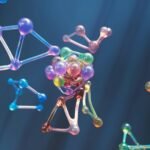
Proteins are macromolecules made up of chains of amino acids linked by peptide bonds. These amino acids are like the “bricks” that build the body. There are 20 different types, 9 of which are essential, meaning the body cannot synthesize them and they must be obtained through diet.
Main functions of proteins
- Structural: They form part of tissues such as muscle, skin, hair and nails (e.g., collagen and keratin).
- Enzymatic: They act as catalysts in chemical reactions (e.g., amylases and lipases).
- Transport: They carry key molecules, such as oxygen (hemoglobin) or lipids (lipoproteins).
- Regulation: They participate in hormonal processes and maintain metabolic balance (insulin).
- Immunity: They form antibodies that protect against disease.
- Energy: Although it is not their main function, they can be used as an energy source when necessary.
The importance of protein for health
Adequate protein intake is vital for maintaining a healthy, functional body. Protein needs vary according to age, sex, physical activity level and health status. On average, a daily intake of 0.8 grams of protein per kilogram of body weight is recommended for sedentary adults, although athletes or people recovering from illness may need more.
Benefits of an appropriate intake
- Promotes muscle repair and growth: Especially important for athletes and older people.
- Promotes satiety: Helps control weight by keeping us full for longer.
- Strengthens the immune system: Sufficient protein intake ensures an effective immune response.
- Maintains healthy skin: Structural proteins such as collagen are essential for skin elasticity and regeneration.
- Supports bone health: Contrary to certain myths, adequate protein intake strengthens bones by improving calcium absorption.
The impact of protein deficiency
Protein deficiency can have devastating consequences, especially in vulnerable populations such as children, older people and those with chronic illnesses.
Common symptoms
- Loss of muscle mass.
- Fatigue and general weakness.
- Edema or fluid buildup, especially in the limbs.
- Weak hair and nails.
- Impaired immune function, increasing the risk of infections.
Diseases associated with deficiency
- Kwashiorkor: A severe form of protein malnutrition that mainly affects children. It is characterized by edema, hair loss and a distended abdomen.
- Marasmus: A protein-calorie deficiency that causes extreme wasting.
- Osteoporosis and sarcopenia: Prolonged protein deficiency can lead to loss of bone density and muscle mass in older adults.
Dietary sources of protein
Protein is found in a variety of foods, both animal- and plant-based.
Animal-based proteins
- Meat: Chicken, beef, pork.
- Fish and seafood: Salmon, tuna, shrimp.
- Eggs: Considered a complete protein source.
- Dairy: Milk, cheese, yogurt.
Plant-based proteins
- Legumes: Lentils, chickpeas, beans.
- Nuts and seeds: Almonds, walnuts, chia seeds.
- Whole grains: Quinoa, oats, brown rice.
- Soy products: Tofu, tempeh, soy milk.
Protein myths and facts
- “Eating a lot of protein damages the kidneys”: This only happens in people with pre-existing kidney disease. In healthy people, there is no evidence to support this myth.
- “Protein makes you gain weight”: Excess calories, not the nutrient itself, cause weight gain.
- “Animal protein is better than plant protein”: Both have benefits; combining them ensures a complete amino acid profile in vegetarian or vegan diets.
How to ensure an adequate intake
- Dietary variety: Include protein from different sources to obtain all the essential amino acids.
- Even distribution: Consuming protein at every meal helps the body use it.
- Supplementation: In specific cases, such as high-performance athletes or people with absorption problems, supplements may be necessary.
Conclusion
Proteins are much more than a macronutrient; they are the essential building blocks of our existence. Ensuring an adequate intake not only strengthens our bodies but also improves our long-term quality of life. Whether through a fish fillet, a handful of walnuts or a plate of lentils, do not underestimate the power of protein for your well-being.