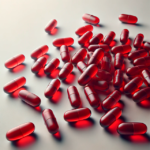
Astaxanthin is a natural compound that has gained popularity in supplementation thanks to its powerful antioxidant and anti-inflammatory properties. Although the name may sound a little technical, astaxanthin is a carotenoid pigment found in various foods and marine organisms, such as salmon, trout, shrimp, and algae. This pigment is responsible for these animals’ characteristic red or pink color and is one of the most powerful antioxidants found in nature.
Astaxanthin was discovered in 1938 by British scientist David E. Johnstone, who isolated the compound from the alga Haematococcus pluvialis. However, its popularity in science and medicine has increased significantly over the past two decades because of its powerful antioxidant effects and potential health benefits.
Properties
Astaxanthin is a carotenoid, like beta-carotene, but with a unique molecular structure that makes it a much more powerful antioxidant. Its ability to neutralize free radicals—unstable molecules that cause cellular damage—is between 500 and 1,000 times stronger than that of vitamin E, another well-known antioxidant.
Some of its most notable properties are:
- Antioxidant and Anti-inflammatory: Astaxanthin is known for its ability to reduce oxidative stress in the body, helping combat cellular aging and reduce inflammation. This may be beneficial in a variety of chronic conditions, such as heart disease, diabetes, and arthritis.
- Skin Protection: Because of its antioxidant properties, astaxanthin is used in skincare products, as it may help protect against sun damage, improve elasticity, and reduce wrinkles. It has also been observed to lessen the effects of skin aging by neutralizing the effects of free radicals caused by sun exposure.
- Improved Eye Health: Astaxanthin can cross the blood-brain barrier and the retinal barrier, making it an excellent ally for eye health. Its antioxidant action may help protect the eyes against conditions such as age-related macular degeneration (AMD), cataracts, and eyestrain.
- Athletic Performance and Muscle Recovery: Some studies suggest that astaxanthin may improve physical performance by increasing endurance and accelerating muscle recovery after exercise. This is due to its antioxidant effects, which help reduce muscle damage and inflammation after physical exertion.
Intake Recommendations
Astaxanthin consumption is generally considered safe when taken at appropriate doses. However, as with any supplement, it is important to follow the manufacturer’s recommendations or consult a healthcare professional, especially if you take other medicines or have a pre-existing medical condition.
The recommended astaxanthin dose varies, but generally ranges from 4 mg to 12 mg per day, depending on the supplement formulation. Although some studies have used higher doses without negative effects, it is always best to start with a low dose and increase gradually according to your needs and a health expert’s recommendations.
Contraindications and Side Effects
Astaxanthin is generally well tolerated. However, some people may experience mild side effects, such as an upset stomach or changes in skin color (although this is extremely rare and generally not dangerous).
Regarding contraindications, caution is recommended in the following cases:
- Pregnancy and breastfeeding: Astaxanthin has not been shown to be harmful during pregnancy or breastfeeding, but because conclusive studies are lacking, avoiding it during these stages is advisable unless a doctor recommends it.
- Drug interactions: Astaxanthin could interact with immunosuppressant or anticoagulant medicines, so if you take any of these drugs, it is important to consult a doctor before starting astaxanthin supplements.
Is Astaxanthin Worth Taking?
Although astaxanthin is found in foods such as salmon and shrimp, supplementation may be an effective option if you want to increase your intake for specific health reasons. Its superior antioxidant capacity makes it an excellent supplement for those looking to combat premature aging, improve eye health, or even optimize athletic performance.
However, it is always important to remember that supplements should not replace a balanced diet. The best approach to maximizing astaxanthin’s benefits is through healthy eating and, if considered necessary, adding a supplement to complement your wellness routine.
Conclusion
Astaxanthin is a powerful natural antioxidant offering a variety of health benefits, from protecting skin and eyes to improving athletic performance and reducing inflammation. Although it is generally a safe supplement, as with any other, consulting a healthcare professional before taking it is important, especially if you have pre-existing medical conditions or take other medicines.
Incorporating astaxanthin into your life, alongside a nutrient-rich diet, can be an excellent way to support your overall health and long-term well-being.
Here are some astaxanthin supplement recommendations, if you are interested:
Discover the Benefits of Astaxanthin and Find the Best Supplements