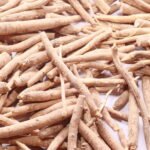
If you’re looking to add something new and beneficial to your diet, maca could be an interesting option. Native to the high Peruvian Andes, this root has been used for centuries for its purported nutritional and medicinal properties. In this article, we will explore in detail what maca is, its uses, available formats, properties, contraindications, and how you can safely incorporate it into your daily diet.
Origin of Maca
Maca (Lepidium meyenii) is a plant that grows in the harsh altitudes of the Peruvian Andes, at elevations exceeding 3,500 meters (11,500 feet) above sea level. Due to the extreme climatic conditions of this region, maca has developed unique resilience, reflected in its nutritional profile. Andean civilizations have cultivated and consumed this root for over 2,000 years, considering it a staple food and a source of vitality.
Available Formats
In today’s market, maca is available in several forms:
- Powder: The most common form, obtained by drying and grinding the root. It is versatile and easy to add to smoothies, yogurts, or cereals.
- Capsules or Tablets: Ideal for those who prefer a precise dosage without altering the taste of their food.
- Liquid Extracts: Concentrates that can be mixed into beverages.
- Flour: Used in baking to enrich bread and desserts.
Properties and Potential Benefits
Maca is rich in essential nutrients, including B vitamins, vitamin C, iron, calcium, and potassium. Some potential benefits associated with its consumption include:
- Increased Energy and Physical Endurance: Traditionally used by Incan warriors to enhance their performance.
- Hormonal Balance: May help regulate hormones in both men and women, though more scientific research is needed.
- Improved Sexual Function and Fertility: Some studies suggest it may boost libido and enhance fertility, but results remain inconclusive.
- Mood Support: Could help reduce symptoms of stress and anxiety due to its adaptogenic properties.
It is important to note that while preliminary studies exist, further research is required to confirm these benefits.
Culinary Uses
Maca has an earthy and slightly sweet flavor, making it suitable for various preparations:
- Smoothies and Shakes: Add a teaspoon of maca powder to enrich your morning drink.
- Oatmeal and Cereals: Sprinkle over breakfast for a nutritional boost.
- Baking: Incorporate into bread, muffins, or cookie recipes.
- Soups and Stews: Can be used as a thickener while adding nutrients.
Contraindications and Precautions
While maca is generally safe for most people, there are some considerations:
- Pregnancy and Breastfeeding: There is insufficient evidence on its safety, so caution is advised.
- Endocrine Disorders: Individuals with thyroid conditions should consult a doctor before consuming maca, as it contains glucosinolates that may interfere with thyroid function in large quantities.
- Medication Interactions: If you are on hormonal treatments or specific medications, it is advisable to seek medical advice.
Recommended Consumption
- Starting Dose: Begin with ½ teaspoon per day to assess your tolerance.
- Gradual Increase: You can increase to 1–3 teaspoons per day based on your needs and how your body responds.
- Responsible Use: As a supplement, it should not replace a balanced diet or medical treatments.
Additional Considerations
- Sustainability: Choose organic and fair-trade maca products to support sustainable agricultural practices and local communities in Peru.
- Storage: Keep maca in a cool, dry place to preserve its properties.
Conclusion
Maca is an ancient food with an interesting nutritional profile and potential health benefits. If you’re looking to diversify your diet and experiment with new flavors, maca could be a valuable addition. As with any supplement, it is essential to consume it responsibly and consult a healthcare professional if you have any concerns.
Would you like to try maca and experience its benefits for yourself?
Find more information and product recommendations here.