Did you know that within the plant kingdom there is a group of compounds that can help you naturally lower your cholesterol? They are known as phytosterols—plant molecules that, although they may sound unfamiliar, play a crucial role in maintaining cardiovascular health and preventing a wide range of diseases. In this article, we will explore what phytosterols are, how they work, which foods contain them, and what the science says about their effectiveness. Get ready to discover one of nature’s best-kept secrets!
1. What Are Phytosterols?
Phytosterols are compounds structurally similar to cholesterol but found exclusively in the plant world. They form part of plant cell membranes, carrying out functions similar to those that cholesterol performs in the human body. Among the most common phytosterols are:
Beta-sitosterol
Campesterol
Stigmasterol
Despite their chemical resemblance to cholesterol, when we consume phytosterols through our diet (or via supplements), they can partially block the absorption of cholesterol in the intestine. This has generated significant medical and scientific interest, particularly in the field of cardiovascular health.
Featured reference:
Berger A, Jones PJ, Abumweis SS. (2004). Plant sterols: factors affecting their efficacy and safety as functional food ingredients. Lipids in Health and Disease. [PMID: 15279659]
2. Mechanism of Action: How Do Phytosterols Fight Cholesterol?
The structure of phytosterols is so similar to that of cholesterol that when both molecules reach the intestine, they “compete” for the same absorption sites. Phytosterols can displace some of the cholesterol coming from food (or bile), reducing how much passes into the bloodstream.
Competition in the Intestinal Micelle
Cholesterol and phytosterols are incorporated into structures called micelles. By increasing the proportion of phytosterols in the micelle, it becomes more difficult for the intestinal mucosa to absorb cholesterol.
Reduction of LDL (“Bad” Cholesterol)
This decreased absorption translates into lower LDL cholesterol levels in the blood, which is associated with a reduced risk of coronary diseases.
Key fact: Studies show that consuming between 1.5 and 2.5 grams of phytosterols per day can reduce LDL cholesterol by up to 10%. This is significant when we consider the relationship between high cholesterol levels and the risk of cardiovascular disease.
Featured reference:
Law M. (2000). Plant sterol and stanol margarines and health. BMJ. [PMID: 11157404]
3. Dietary Sources of Phytosterols
Although plants naturally contain phytosterols, their concentration is not always very high. Nevertheless, there are certain foods where they are found in larger amounts:
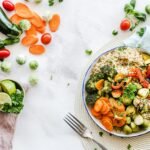
Vegetable oils: Especially corn, sunflower, soybean, and (to a lesser extent) olive oil.
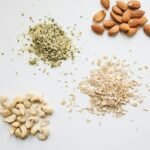
Nuts and seeds: Almonds, pistachios, hazelnuts, sunflower seeds, sesame seeds, and pumpkin seeds.
Legumes: Certain types of beans and chickpeas have considerable levels.
Whole grains: Bran and whole grains can provide phytosterols to the body.
In recent years, various products enriched with phytosterols (margarines, yogurts, plant-based beverages) have been introduced to the market, aimed at increasing intake and enhancing the cholesterol-lowering effect.
4. Are Phytosterols Suitable for Everyone?
Although phytosterols are plant-based substances and are generally considered safe, not everyone experiences the same benefits:
People with Hypercholesterolemia: Those with elevated LDL cholesterol levels can experience a significant improvement in their lipid profile by increasing phytosterol consumption.
General Population: Moderate consumption of foods rich in phytosterols—or fortified products—can help maintain healthy cholesterol levels as part of a balanced diet.
Special Situations:
Individuals taking cholesterol-lowering medication (statins) may benefit from a synergistic or additive effect when combined with phytosterols.
People with sitosterolemia (a genetic disorder that impairs phytosterol metabolism) should limit their intake under medical supervision.
Featured reference:
Poli A et al. (2008). Plant sterols, stanols and cholesterol lowering: evidence, misconceptions and future directions. Nutrition, Metabolism and Cardiovascular Diseases. [PMID: 18407305]
Naturally support your cholesterol levels!
Red yeast rice is a trusted ingredient for heart health—get it now here
5. Additional Effects of Phytosterols: Do They Go Beyond Cholesterol?
While lowering LDL cholesterol has been the main focus of research, recent studies point to other possible benefits:
Anti-inflammatory action: Some phytosterols may modulate the inflammatory response, helping to protect blood vessels and reduce the risk of atherosclerosis.
Natural antioxidants: Certain studies suggest that phytosterols could help fight oxidative stress, although more clinical trials are needed to confirm this.
Immunomodulatory function: Preliminary evidence indicates that phytosterols may improve immune response, though the exact role is still under investigation.
It is worth noting that these research areas are still developing. While the evidence is being consolidated, their most robustly demonstrated effect remains the reduction of LDL cholesterol.
6. Practical Tips for Taking Advantage of Phytosterols
Consult a professional: Especially if you are already on cholesterol-lowering medication or have a specific health condition. A nutritionist or physician can advise you on the appropriate dose and potential interactions.
Increase plant-based foods: Add nuts, seeds, and virgin vegetable oils to your daily diet to boost your natural intake of phytosterols.
Try enriched products: If your goal is specifically to lower LDL cholesterol, you might consider incorporating phytosterol-fortified products, such as plant-based beverages or margarines.
Combine them with a balanced diet: Phytosterols are not a “magic bullet.” For optimal results, include them as part of a diet rich in fruits, vegetables, legumes, whole grains, and quality protein.
7. Myths and Realities about Phytosterols
Myth 1: “Phytosterols are the same as plant cholesterol.”
Reality: Although they are structurally similar to cholesterol and found in the plant kingdom, they are not identical. In fact, they compete with human cholesterol for absorption, reducing LDL levels in the blood.
Myth 2: “Any amount of phytosterols drastically lowers cholesterol.”
Reality: Most studies indicate that you need around 1.5 to 3 g of phytosterols per day to see a significant reduction in LDL cholesterol (between 7% and 12%). Smaller amounts may have some effect, but likely less pronounced.
Reality: In certain clinical situations or if your diet is low in fruits and vegetables, these products can help you easily reach the recommended intake of phytosterols for lowering cholesterol.
8. What Does the Most Recent Scientific Evidence Say?
Over the past decade, numerous systematic reviews and meta-analyses have evaluated the use of phytosterols in cardiovascular health. The standout conclusions note:
A consistent reduction in LDL cholesterol with a phytosterol intake of at least 2 g/day.
Additional benefits when combined with statin therapy.
Rare side effects, which are generally mild (such as gastrointestinal discomfort).
While they are not a substitute for a healthy diet and lifestyle, phytosterols enjoy growing support within the scientific community as an ally in cholesterol management.
Featured reference:
AbuMweis SS, Barake R, Jones PJ. (2008). Plant sterols/stanols as cholesterol lowering agents: A meta-analysis of randomized controlled trials. Food & Nutrition Research. [PMID: 19685451]
Conclusions
Phytosterols represent one of the most interesting strategies for those looking to reduce their cholesterol levels naturally. By blocking intestinal absorption, they can significantly lower LDL concentrations. Beyond their cholesterol-lowering properties, research also points to other potential benefits related to cardiovascular health and even inflammatory response.
Nevertheless, it is essential to remember that in nutrition and health there is no one-size-fits-all solution. The key lies in adopting a holistic and balanced lifestyle: following a diet rich in plant-based foods, engaging in regular physical activity, and, if necessary, supplementing with enriched products or supplements, alwaysunder professional supervision.
Puritan’s Pride: Trusted for quality & affordability!
Support your heart with this high-quality phytosterol complex—order now here
References
Berger A, Jones PJ, Abumweis SS. (2004). Plant sterols: factors affecting their efficacy and safety as functional food ingredients. Lipids in Health and Disease.
Law M. (2000). Plant sterol and stanol margarines and health. BMJ.
Poli A et al. (2008). Plant sterols, stanols and cholesterol lowering: evidence, misconceptions and future directions. Nutrition, Metabolism and Cardiovascular Diseases.
AbuMweis SS, Barake R, Jones PJ. (2008). Plant sterols/stanols as cholesterol lowering agents: A meta-analysis of randomized controlled trials. Food & Nutrition Research.
Mensink RP, Ebbing S, Lindhout M, Plat J, Schuurbiers JA. (2002). Effects of plant stanol ester-enriched margarines on serum lipoprotein profiles in mildly hypercholesterolemic subjects. The American Journal of Clinical Nutrition.