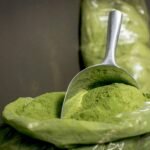
Oregano, scientifically known as Origanum vulgare, is an aromatic shrub native to the Mediterranean basin. While most people recognize it as a staple culinary herb, its benefits go far beyond flavor. In fact, it has been used for centuries for both medicinal and nutritional purposes. In this article, we will explore its active compounds, health benefits, precautions, and how to incorporate it into your daily routine. Additionally, you’ll find key scientific references to verify the incredible versatility of this plant for yourself.
1. Origins and Varieties of Oregano
Oregano is a perennial herb belonging to the Lamiaceae family, which also includes other aromatic plants such as basil, mint, and rosemary. While Origanum vulgare is the most common species, there are different varieties with slightly varying flavors, aromas, and biochemical compositions. Some of the most popular types include:
- Greek oregano (Origanum heracleoticum)
- Mexican oregano (Lippia graveolens)
- Turkish oregano (Origanum onites)
All these varieties share a distinctive fragrance and an intense, slightly bitter taste, which becomes more pronounced when dried.
Key Reference:
Kintzios SE (Ed.). (2002). Oregano: The Genera Origanum and Lippia. CRC Press.
2. Main Active Compounds
Oregano’s culinary and therapeutic significance is due to a range of bioactive compounds that possess antimicrobial, anti-inflammatory, and antioxidant properties. Among the most important are:
Carvacrol
- The primary compound responsible for oregano’s strong aroma.
- A phenol with antibacterial and antifungal activity against various pathogenic strains.
Thymol
- Structurally similar to carvacrol, with potent antimicrobial properties and antioxidant effects.
Phenolic Acids (Rosmarinic and Caffeic Acids)
- Known for their antioxidant action, neutralizing free radicals that can damage cells and tissues.
Flavonoids
- Contribute to anti-inflammatory and cardioprotective effects by improving vascular resistance and reducing oxidative stress.
Key Reference:
Nostro A, et al. (2007). Effects of oregano, carvacrol, and thymol on Staphylococcus aureus and Staphylococcus epidermidis biofilms. Journal of Medical Microbiology. [PMID: 17644719]
3. Health Properties and Benefits
3.1. Antimicrobial Action
Oregano essential oil contains carvacrol and thymol, two compounds with recognized efficacy against various bacteria and fungi. Studies have explored its use for:
- Food preservation: As a natural alternative to synthetic preservatives.
- Topical treatments: For mild skin or scalp infections.
Key Reference:
Omidbeygi, M. et al. (2007). Antifungal activity of essential oils from some Iranian medicinal plants. Mycopathologia. [PMID: 17318531]
3.2. Antioxidant Power
Oregano ranks high on the ORAC (Oxygen Radical Absorbance Capacity) scale, indicating its strong antioxidant potential. This translates into:
- Cell protection: Helping to prevent premature aging and cellular degeneration.
- Cardiovascular health: By reducing LDL (“bad”) cholesterol oxidation, it may lower the risk of arterial blockages.
3.3. Anti-inflammatory Effect
Some studies suggest that oregano’s essential oils and flavonoids help modulate the body’s inflammatory response. This makes it a potential complementary treatment for relieving joint and muscle pain or localized inflammation.
3.4. Digestive Support
Oregano has traditionally been used to aid digestion and reduce bloating or stomach discomfort. Its carminative effect and ability to balance gut microbiota by suppressing pathogenic bacteria contribute to these benefits.
4. Using Oregano in Cooking
Oregano’s unmistakable herbal and slightly bitter flavor makes it a star ingredient in Mediterranean cuisine. It is commonly used in:
- Tomato sauces: For pizza, pasta, and Italian stews.
- Marinades and rubs: Especially for red meats, poultry, and fish.
- Salad dressings: Combined with olive oil and vinegar, enhancing both flavor and antioxidant properties.
- Soups and stews: Adding oregano towards the end of cooking helps preserve its fragrance.
Pro Tip:
To maximize its benefits and flavor, mix oregano with a fat source (such as olive oil) or add it at the end of the cooking process to preserve its volatile compounds.
5. Forms and Preparations
- Dried oregano: The most common culinary option due to its intense aroma and long shelf life.
- Fresh oregano: Less common but ideal for raw sauces and dressings, offering a milder herbal touch.
- Oregano essential oil: Used for therapeutic purposes but must be properly diluted to prevent irritation.
- Infusions or teas: Sometimes used to ease stomach discomfort or support mild colds.
Note: Oregano essential oil is much more potent than dried leaves, requiring knowledge and caution when using it. It should never be applied directly to the skin undiluted or ingested without professional guidance.
6. Precautions and Contraindications
Although oregano is safe for most people in culinary amounts, certain considerations should be kept in mind:
- Allergic sensitivity: Since it belongs to the mint family, individuals allergic to other herbs (such as basil or sage) may experience reactions.
- Essential oil usage: Must be handled with care, as high concentrations can cause skin or mucosal irritation.
- Drug interactions: In rare cases, high doses of oregano extracts may interact with anticoagulants or antidiabetic medications. Always consult a healthcare professional before starting any supplement.
7. Scientific Research and Evidence
Modern research on oregano focuses on its applications in the food industry as a natural antioxidant and in the medical field for its potential health benefits. Some key findings include:
- Phenolic compounds (carvacrol, thymol) act synergistically, enhancing antimicrobial activity.
- Animal studies suggest improvements in gastrointestinal infections and increased systemic antioxidation.
- In vitro studies indicate that high concentrations of oregano extracts may help inhibit the growth of antibiotic-resistant bacteria, paving the way for potential adjunctive uses.
Key Reference:
Mishra A, et al. (2020). Applications of Oregano (Origanum vulgare L.) in food and nutrition. Food Frontiers. [DOI: 10.1002/fft2.65]
8. Conclusion
Oregano is much more than a spice for flavoring your pizza—it is a true culinary and medicinal gem. From its antimicrobial and antioxidant properties to its anti-inflammatory effects, this aromatic plant has earned a place of honor in kitchens worldwide.
With the growing interest in natural products and the increasing body of scientific research backing its benefits, oregano has become a must-have for those pursuing a healthy lifestyle.
Incorporating oregano into your daily meals, whether fresh or dried, will not only enhance your dishes but may also offer benefits for digestive, immune, and cardiovascular health. However, always remember the importance of moderation and professional advice when using therapeutic or concentrated forms such as essential oil.
References
- Kintzios SE (Ed.). (2002). Oregano: The Genera Origanum and Lippia. CRC Press.
- Nostro A, et al. (2007). Effects of oregano, carvacrol, and thymol on Staphylococcus aureus and Staphylococcus epidermidis biofilms. Journal of Medical Microbiology.
- Omidbeygi M, et al. (2007). Antifungal activity of essential oils from some Iranian medicinal plants. Mycopathologia.
- Mishra A, et al. (2020). Applications of Oregano (Origanum vulgare L.) in food and nutrition. Food Frontiers.
- National Center for Complementary and Integrative Health (NCCIH): Oregano Monograph.